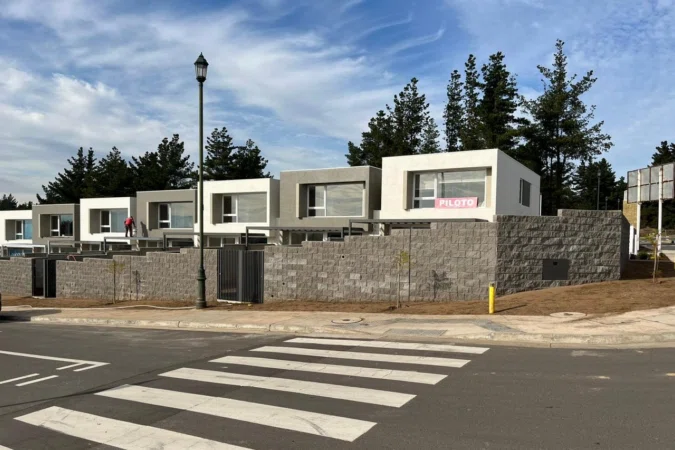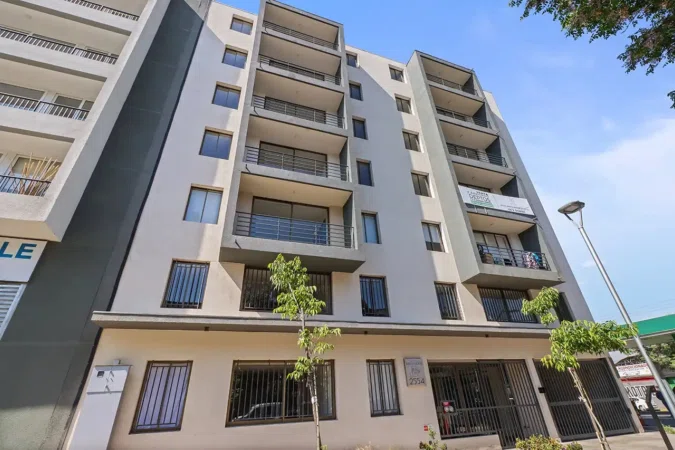
Object typeResidential
Completion dateQ4 2025
DeveloperNahmias
Total areafrom 56 m² to 160 m²
Down Payment10%

Food expenses in Chile depend not only on household size, but also on the region, season, and where groceries are purchased. The same selection of products can vary considerably in price between a supermarket, a small local shop, and a feria libre — an open-air food market.
Local cuisine is equally diverse. Northern Chile shows a strong Andean influence, the central regions are known for dishes made with corn and meat, while the south is associated with fish, seafood, potatoes, and Mapuche traditions.
Chile’s official food basket is called the Canasta Básica de Alimentos, or CBA. It is a calculated selection of food products used by the government to establish the poverty line and assess whether the population can meet its minimum nutritional needs.
According to the latest published report, the basket cost 92,327 Chilean pesos per person per month in August 2026 (≈ $94). Since January 2026, the indicator has been calculated using an updated methodology based on household spending data and more balanced nutritional requirements.
It is important to understand that this is a statistical minimum, not a typical household budget. The basket does not include household cleaning products, alcohol, delivery fees, or other everyday expenses.
The latest completed household budget survey showed that the average household spent around 307,947 pesos per month on food and non-alcoholic beverages (≈ $312), equivalent to 21.2% of total expenditure. However, these figures were collected in 2021–2022. The next survey only began in September 2026, so more recent data on actual household spending is not yet available.
Prices can vary considerably even within the same city. They are influenced by the neighborhood, type of retailer, season, and availability of discounts.
For reference, average prices at traditional markets in the Santiago Metropolitan Region between October 5 and 9, 2026, were:
In September 2026, food and non-alcoholic beverage prices rose by another 0.6% over the month, which means that fixed price estimates quickly become outdated.
Residents of large cities generally do their main shopping at supermarket chains such as Lider, Jumbo, Tottus, Unimarc, and Santa Isabel. Supermarkets are convenient for dairy products, meat, grains, and household goods, particularly when discounts are available.
Fruit and vegetables are often more affordable at street markets, which operate on specific days of the week. In early October 2026, for example, oranges at markets in the Santiago Metropolitan Region were, on average, 71.5% cheaper than in supermarkets. Potatoes were 39.6% cheaper and lemons 64.9% cheaper. However, some products may still cost less at supermarket chains, so there is no universal rule.
Bread plays an important role in the local diet. The most common varieties are the crusty marraqueta and the softer hallulla. They are eaten with cheese, ham, eggs, butter, and avocado, which is called palta in Chile.

A characteristic local custom is once. This is a meal served between lunch and late evening, usually consisting of tea or coffee with bread, cheese, ham, avocado, and sweet pastries. In some households, once effectively replaces dinner.
Dishes made with potatoes, corn, beans, chicken, and beef are also widespread. Thanks to Chile’s extensive coastline, fish and seafood can be found in almost every region, although they are generally more expensive farther from the coast.
Chilean cuisine changes along with the country’s geography.
In the north, the influence of Aymara and Atacameño cultures is particularly noticeable. Common ingredients include corn, quinoa, potatoes, and alpaca meat. Typical dishes include the soups chairo and calapurca.
In central Chile, popular dishes include empanada de pino filled with meat and onions, the corn casserole pastel de choclo, corn-based humitas, and the traditional homemade soup cazuela. These are among the most recognizable examples of Chilean cuisine.
In the south, Mapuche culture and maritime traditions have a stronger influence. On Chiloé, people prepare curanto — meat, seafood, potatoes, and dough cooked using heated stones. In Patagonia, spit-roasted lamb and dishes made with southern king crab are popular.
Rapa Nui has a predominantly Polynesian culinary tradition based on tuna, sweet potatoes, taro, and dishes cooked on hot volcanic stones.
In central Chile, a popular dish or meal at an inexpensive restaurant generally costs between 5,000 and 15,000 pesos (≈ $5–15).
In the south, prices more commonly range from 10,000 to 25,000 pesos (≈ $10–25). On Rapa Nui, a meal may cost between 25,000 and 50,000 pesos (≈ $25–51) because of the high cost of transporting supplies to the island.
Many restaurants suggest adding a 10% tip to the bill. This is a common practice, but tipping remains voluntary: customers may decline or change the amount.
The cost of food in Chile cannot be assessed using a single universal basket. It depends on the city, the season, and a household’s habits.
The official food basket represents a minimum level of expenditure, while an actual household budget is usually higher. Shopping at ferias libres, choosing seasonal produce, and using supermarket discounts can help reduce costs. At the same time, local cuisine remains relatively simple: bread, avocado, corn, potatoes, meat, and seafood form the basis of the everyday diet, while regional dishes reflect the country’s geography and cultural diversity.