
Object typeResidential
Completion dateQ4 2024
DeveloperNuevo Amanecer
Total areafrom 195 m² to 195 m²
Down Payment100%
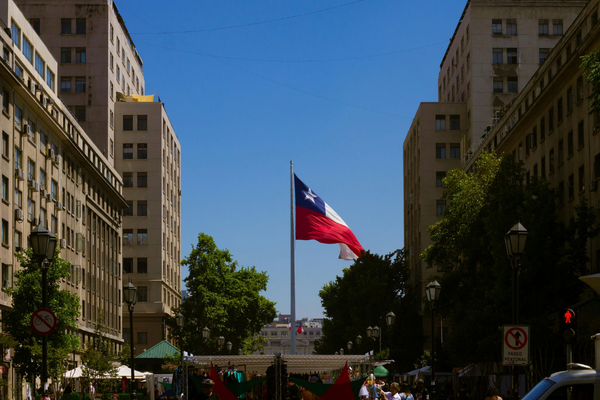
One of the most unusual countries in South America, Chile stretches in a narrow strip between the Pacific Ocean and the Andes for more than four thousand kilometers. Traveling across the country feels like moving through several different worlds in a single trip: desert landscapes resembling Mars exist alongside glaciers, volcanoes, ocean coastlines, and colorful cities with a unique atmosphere.
Let’s take a look at the places in Chile that travelers most often consider must-see destinations.

In northern Chile lies the Atacama Desert, considered the driest desert in the world, with landscapes often compared to the surface of Mars. That is why the area is frequently used for testing equipment for space missions. Most travelers stay in the small town of San Pedro de Atacama, which serves as a starting point for trips to the Valley of the Moon, salt flats, flamingo lagoons, and the El Tatio geysers. Another remarkable feature of this region is its incredibly clear sky. Thanks to the near-complete absence of clouds, it is considered one of the best places in the world for stargazing.

In the central part of the country, on the Pacific coast, lies one of Chile’s most atmospheric cities – Valparaíso. Built on steep hills, the city’s streets constantly climb upward, revealing views of the ocean, the port, and colorful neighborhoods.
Valparaíso is known for its street art, historic funiculars, and creative atmosphere. Nearly every building is painted in bright colors, while the walls themselves have become open-air galleries. The city is often referred to as the cultural capital of Chile and one of the most unusual cities in South America.

South of the capital begins what feels like an entirely different country – green, peaceful, and surrounded by nature. The Chilean Lake District is known for its forests, volcanoes, national parks, and small towns with a European atmosphere.
One of the region’s symbols is Osorno Volcano, located near Lake Llanquihue. Due to its nearly perfect shape, it is often compared to Japan’s Mount Fuji. Travelers come here for hiking, thermal springs, boat trips, and outdoor recreation. This area is especially popular among those who want to experience a calmer and more relaxed side of Chile.

Further south lies Patagonia – a vast natural region shared by Chile and Argentina – home to the famous Marble Caves on General Carrera Lake. Over thousands of years, wind and waves shaped these formations, while the cave walls developed striking blue, white, and gray patterns. The caves can only be reached by boat, and the best views of the marble arches and tunnels open directly from the water. The color of the lake and the natural light inside the caves constantly change, making the scenery look different every time. Despite their remote location, the Marble Caves are considered one of Chile’s most impressive natural attractions.

And finally, at the southernmost part of the country lies Torres del Paine National Park – the main symbol of Chilean Patagonia. Travelers come here for massive glaciers, turquoise lakes, mountain peaks, and the feeling of untouched wilderness. The park’s most famous landmark is the granite towers of Torres del Paine, which are especially beautiful at sunrise. The park is highly popular among trekking enthusiasts, as it features some of the most famous hiking routes in South America.
From the Atacama Desert to the glaciers of Patagonia, traveling through Chile offers the chance to experience completely different landscapes and sides of the country. This remarkable diversity is what makes Chile one of the most unique travel destinations in South America.